Peer Exchange, Dynamo Symposium and Masterclass on Rural Innovation
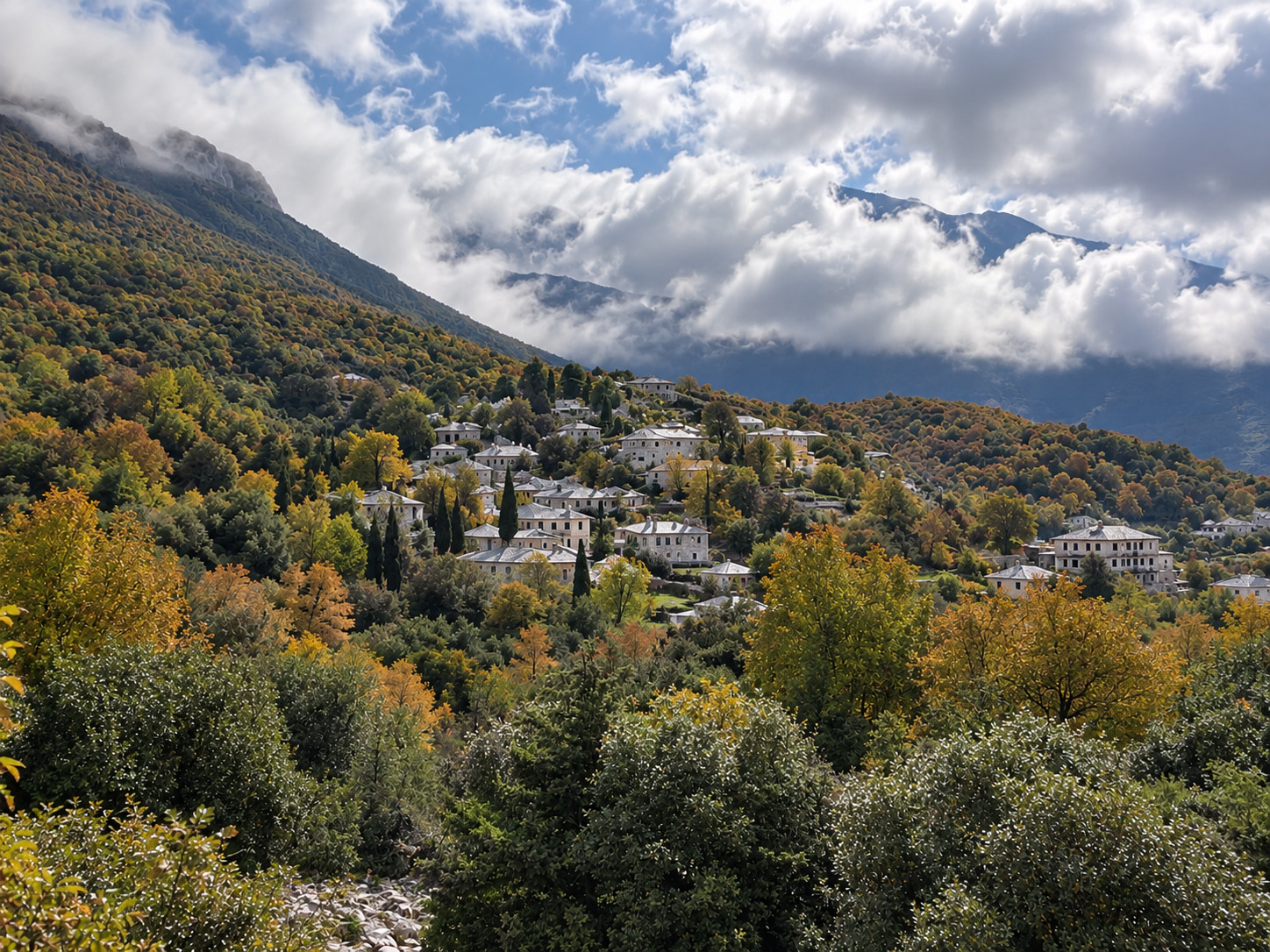
From 20 to 23 October 2026, the partners of the EU project RURACTIVE met in the Zagori mountain region of Greece (Epirus, northwestern Greece) to discuss the numerous advances made in the project and to exchange experiences and innovative approaches for sustainable rural development.
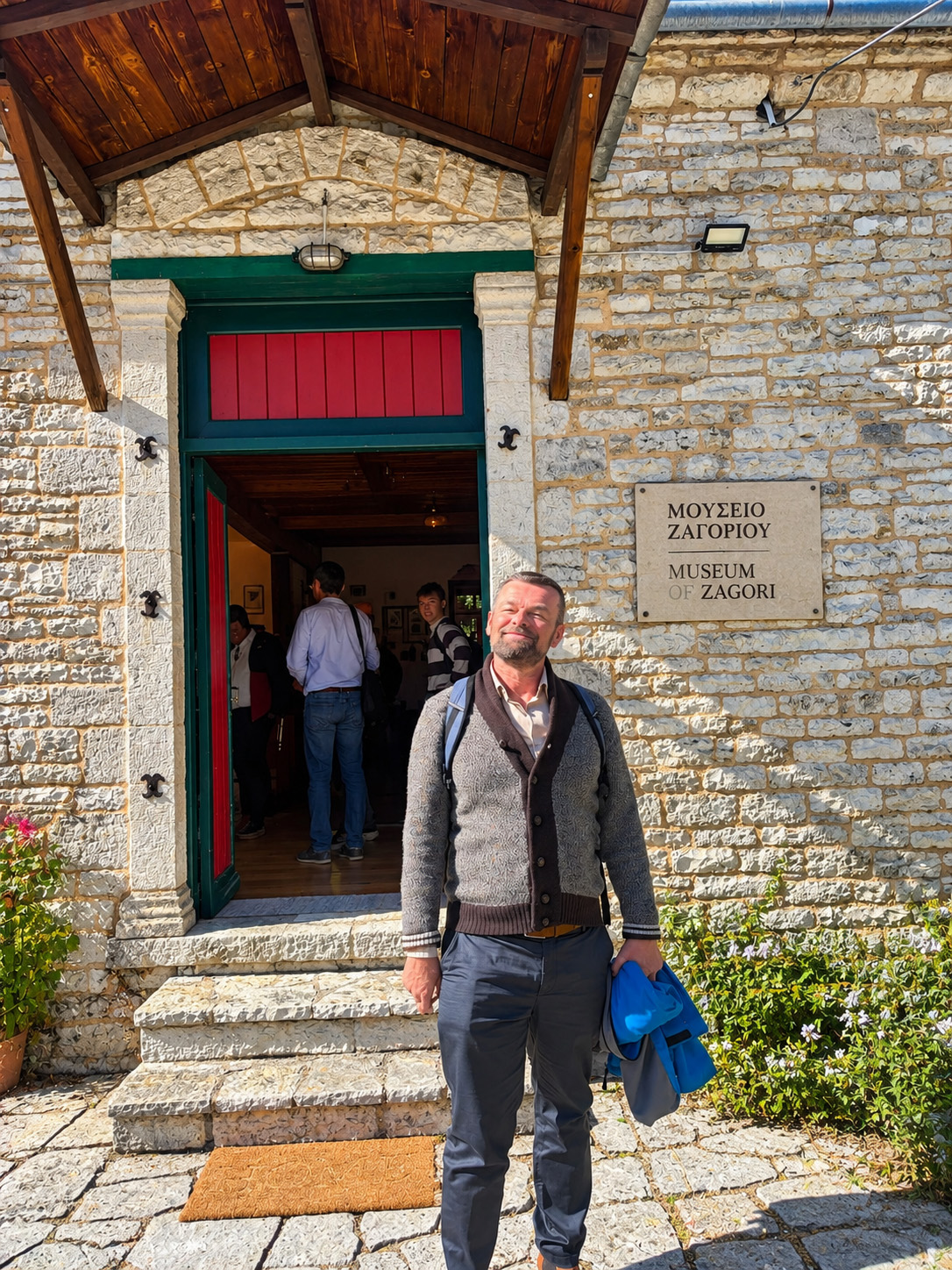
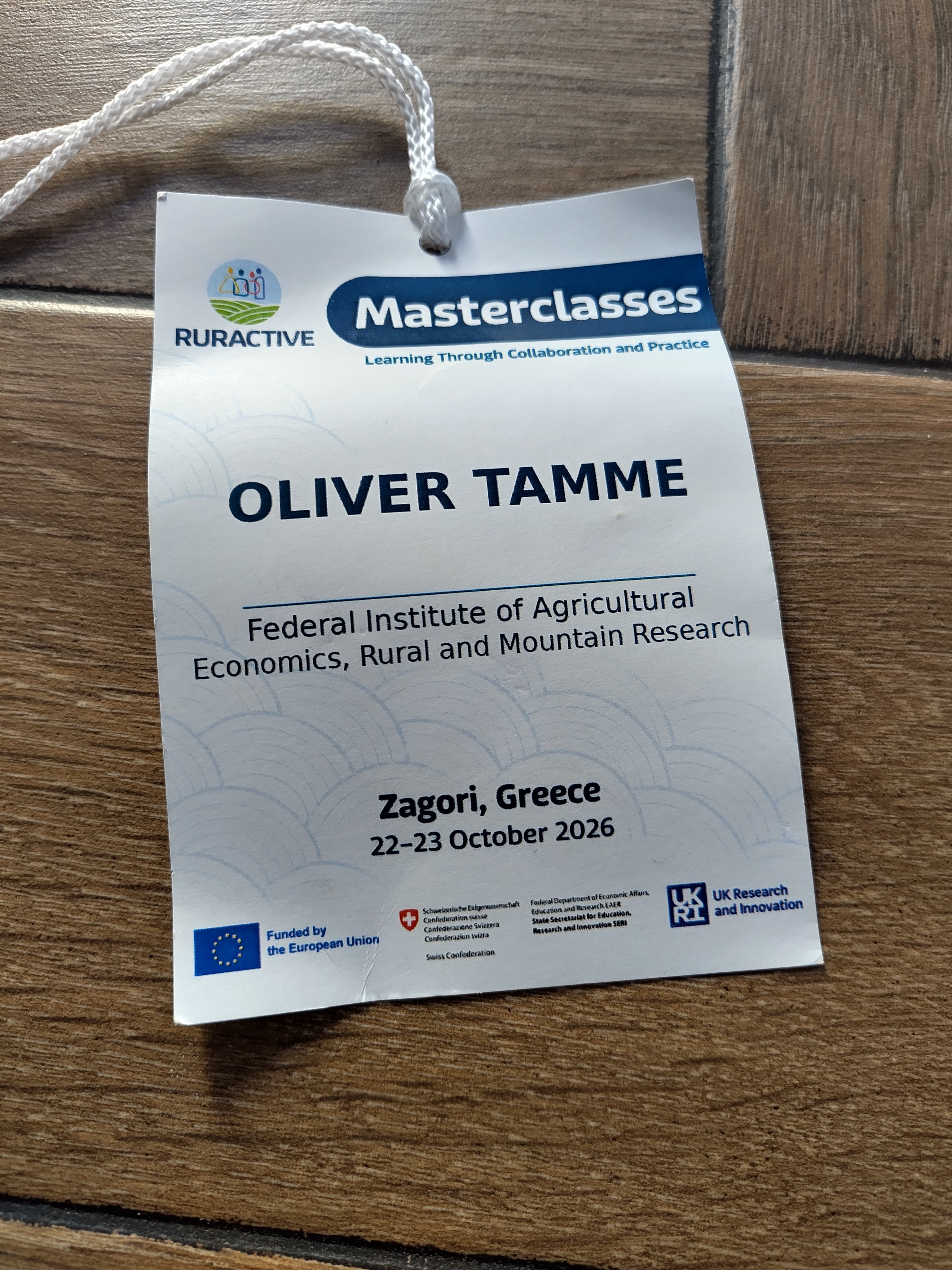
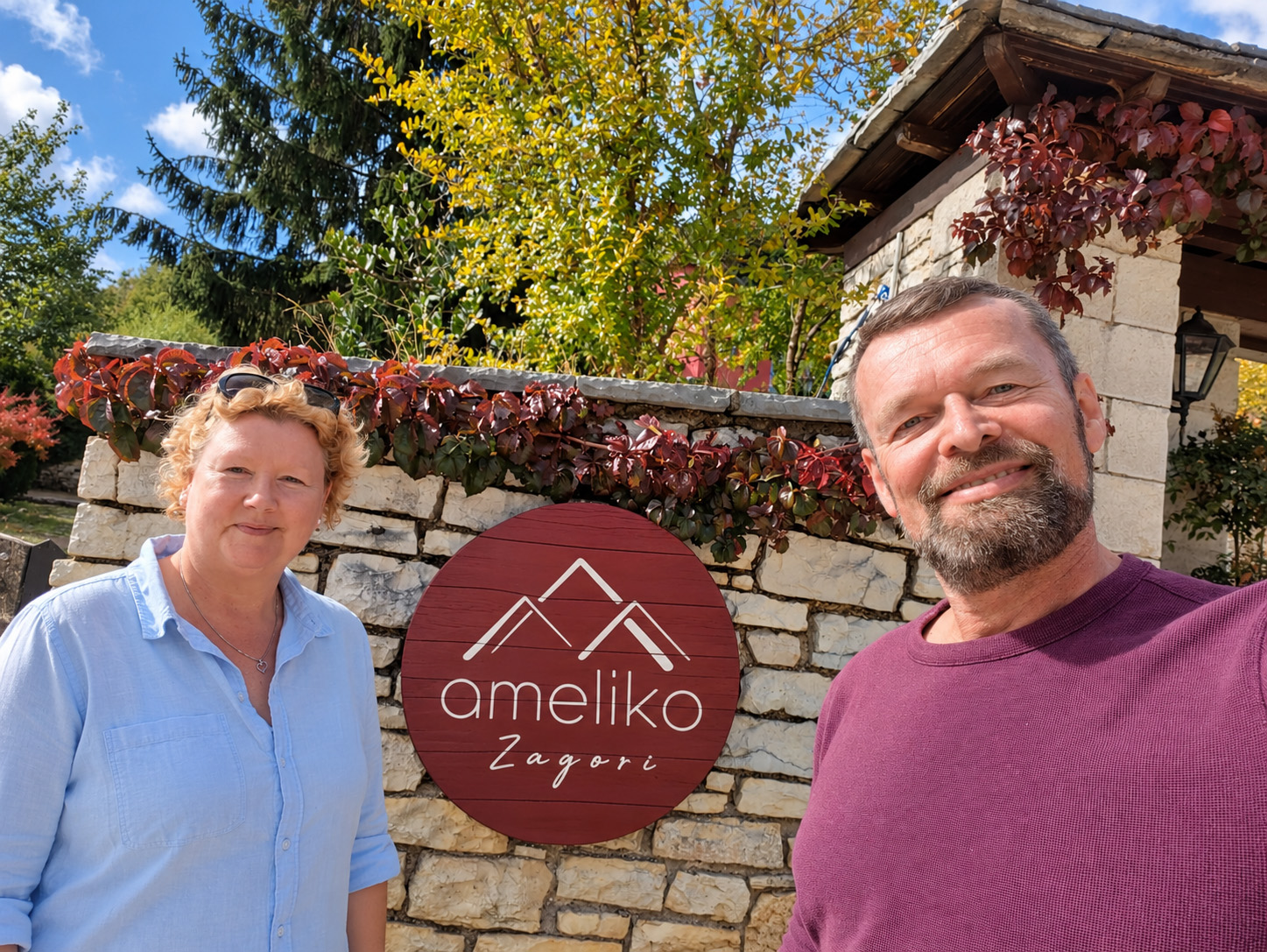
The four-day programme comprised meetings of the Steering Committee and the General Assembly, as well as a Peer Exchange and a Masterclass within the framework of the regional innovation network Dynamo 6 EcoMuseum Zagori. Representing the Federal Institute for Agricultural Economics and Mountain Farming Issues (BAB), Theresia Oedl-Wieser and Oliver Tamme took part.
Project Progress and Preparations for Project Closure
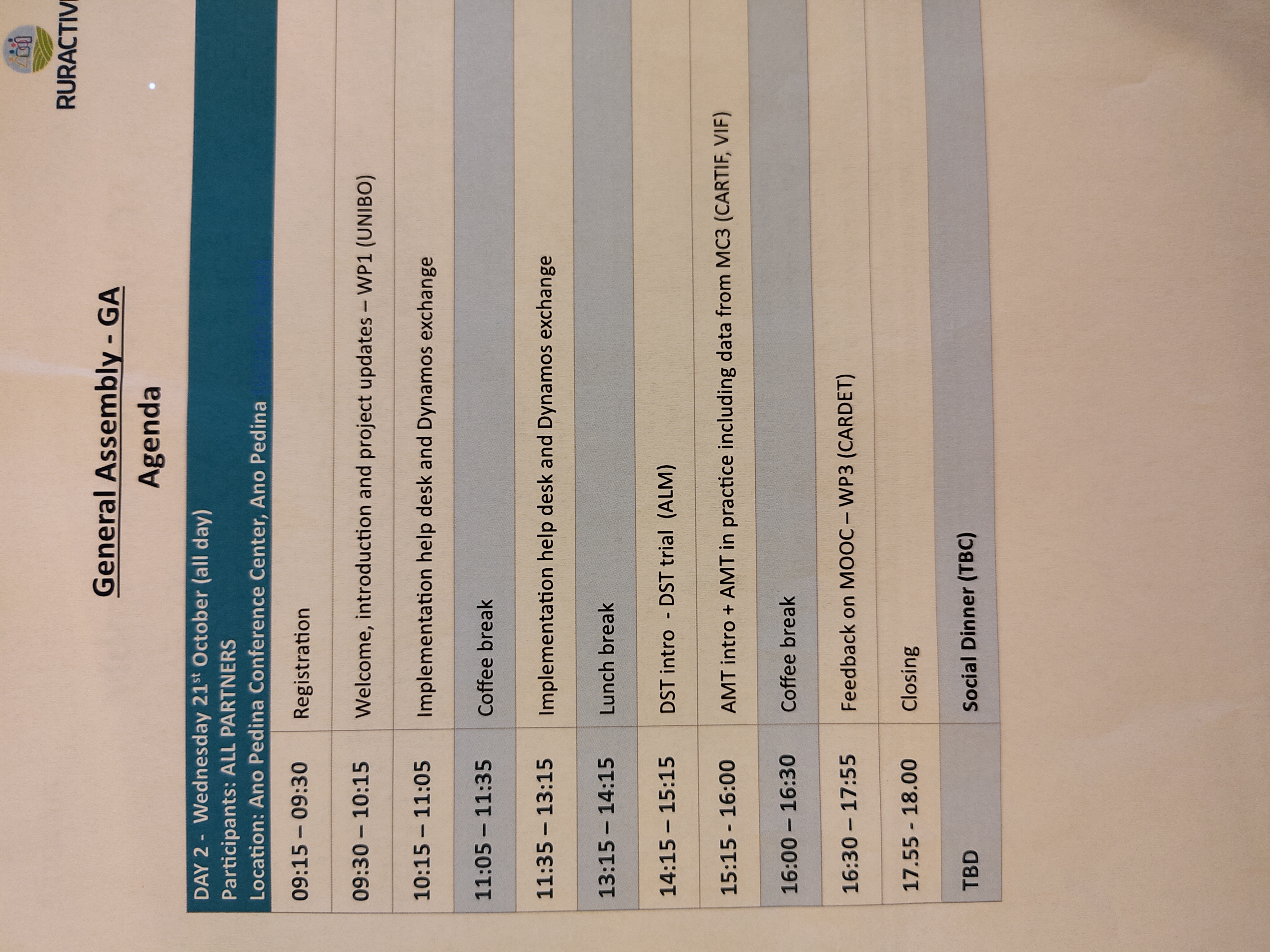
The opening sessions on 20 and 21 October were the meetings of the Steering Committee and the General Assembly, held in the premises of the EcoMuseum Zagori in Ano Pedina. The focus was on the progress made to date, the coordination of further work steps, and preparations for the closure of the RURACTIVE project. The leads of the individual work packages reported on the development of the knowledge base (Solution Platform, MOOC), the elaboration and assessment of innovative solutions, and the communication and dissemination of project results.
A key focus of the General Assembly was the practical implementation of innovation processes in the participating Dynamos. In several exchange rounds, the project partners discussed experiences, challenges, and solutions. In addition, digital tools for decision support as well as for the assessment and monitoring of regional innovation processes were presented and tested. The further development of digital learning offerings within the framework of a "Massive Open Online Course" (MOOC) was also on the agenda. Finally, the closing project meeting in May 2027 in Brussels was discussed. The formal project closure is scheduled for August 2027.
Peer Exchange and Dynamo Symposium: Experiences from the Regions
Following the project meetings, the exchange with regional stakeholders and the practical implementation of innovative development approaches took centre stage. The Peer Exchange provided an opportunity to compare experiences from the European project regions and to discuss common challenges.
Particular attention was given to the involvement of local communities, the use of regional resources, and the possibilities of establishing innovative solutions sustainably in rural areas. The regional innovation network Dynamo 6 EcoMuseum Zagori provided a tangible practical context for this.
Masterclass and Field Trip: Natural and Cultural Heritage as a Development Potential
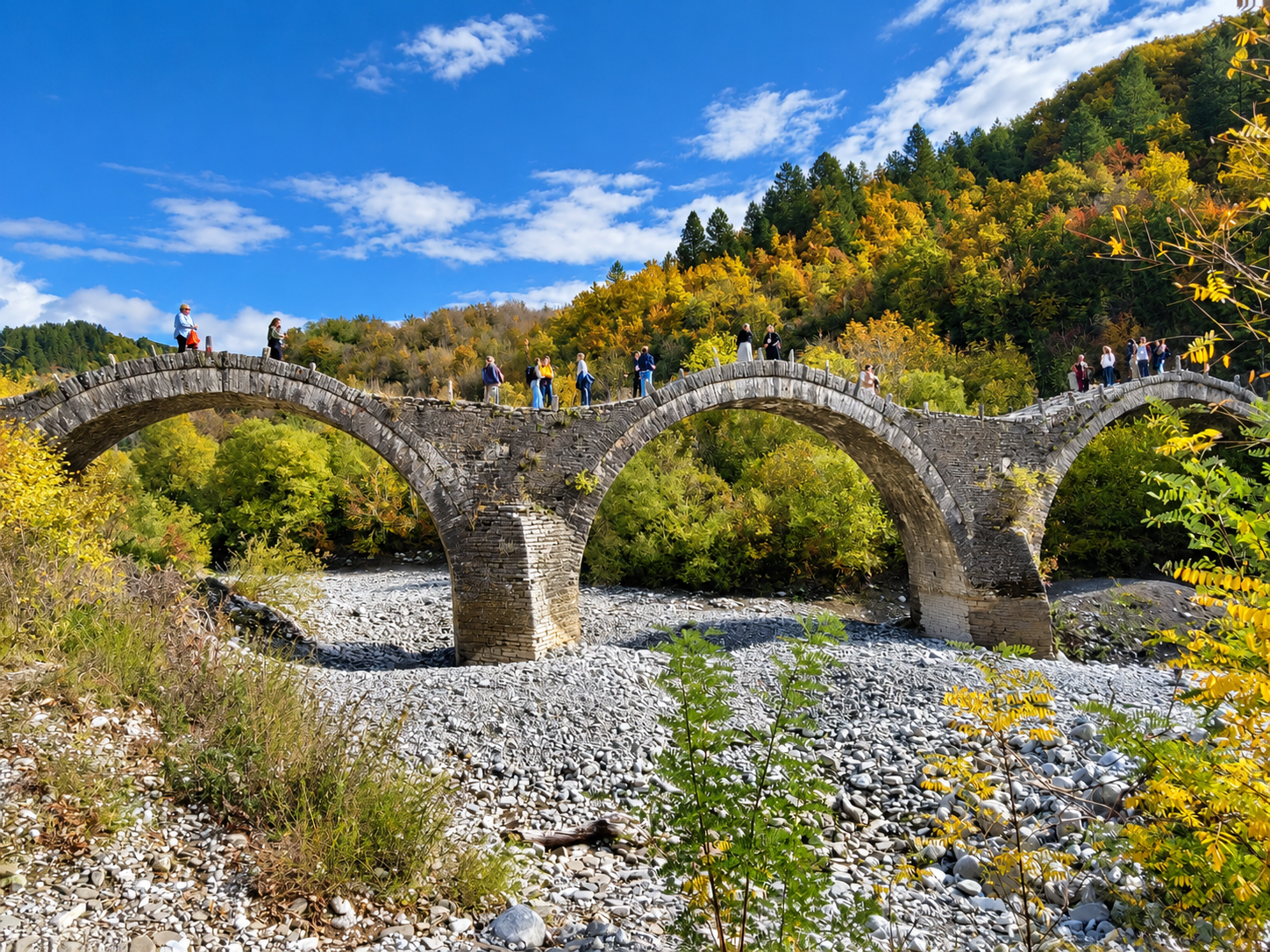
The Masterclass focused on nature-based and cultural tourism as well as cultural innovations as drivers for sustainable regional development. The Zagori mountain region in northwestern Greece, with its traditional stone villages, historic stone bridges, and diverse cultural landscapes, provided an especially suitable setting for this.
During the field trip, regional initiatives and innovative projects were presented that link natural and cultural heritage with new forms of knowledge transfer, tourism offerings, and regional value creation.
These include the project Pathways of Art, which links historic hiking trails with artistic and digital forms of communication, and the application EchoLoci, which documents and conveys biodiversity and local knowledge along traditional grazing paths. Further examples addressed inclusive access to natural and cultural heritage, traditional crafts, agritourism, and the role of women's cooperatives in regional development.
The Masterclass also provided space for discussion on how regional innovation networks can be established and further developed with the participation of different stakeholder groups. Cross-cutting challenges such as biodiversity conservation, climate change adaptation, and social inclusion were also addressed.
BAB Participation and International Knowledge Exchange
The meeting provided an opportunity to exchange views with European research institutions, project partners, and regional initiatives on participatory approaches to rural development. From the BAB's perspective, particular interest was placed on the interconnections between agriculture, tourism, regional value creation, and social change in rural areas. The examples presented in Zagori illustrated how local knowledge, cultural heritage, and the collaboration of different stakeholder groups can contribute to developing innovative and sustainable perspectives for rural regions.
The RURACTIVE meeting thus combined the strategic and scientific further development of the project with concrete experiences from regional practice. At the same time, important decisions were made for the final project phase and the presentation of results in May 2027 in Brussels.