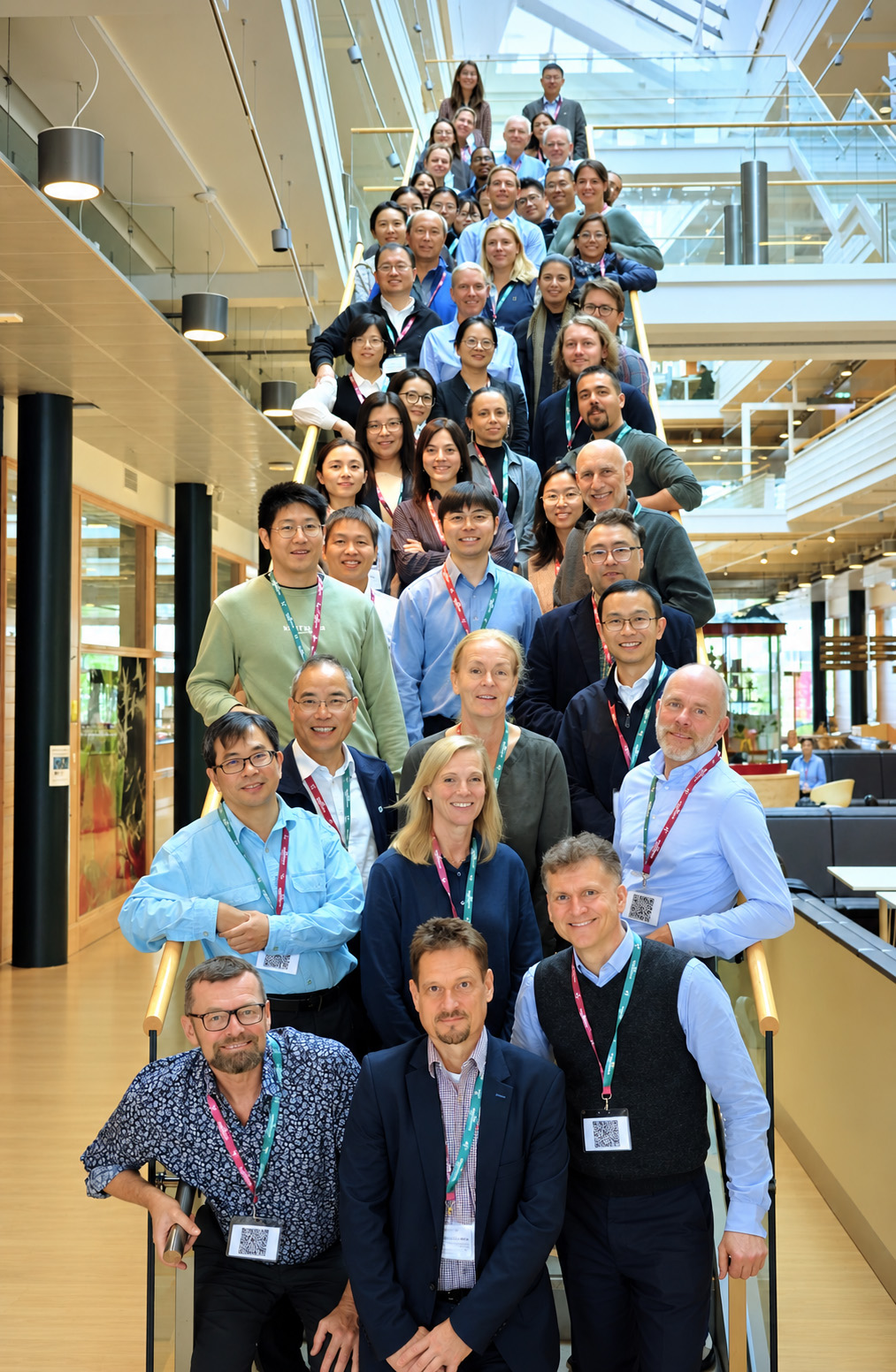
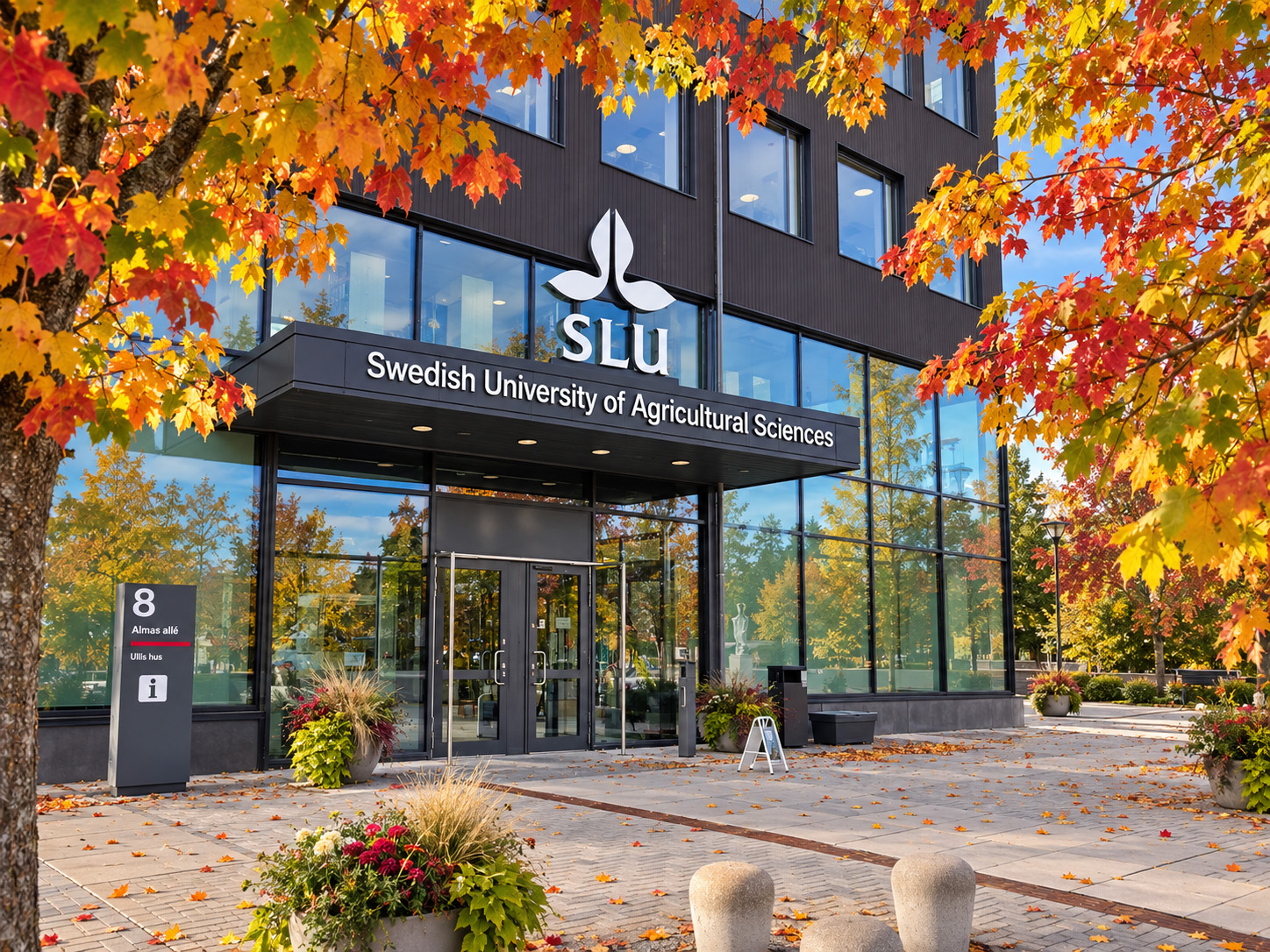
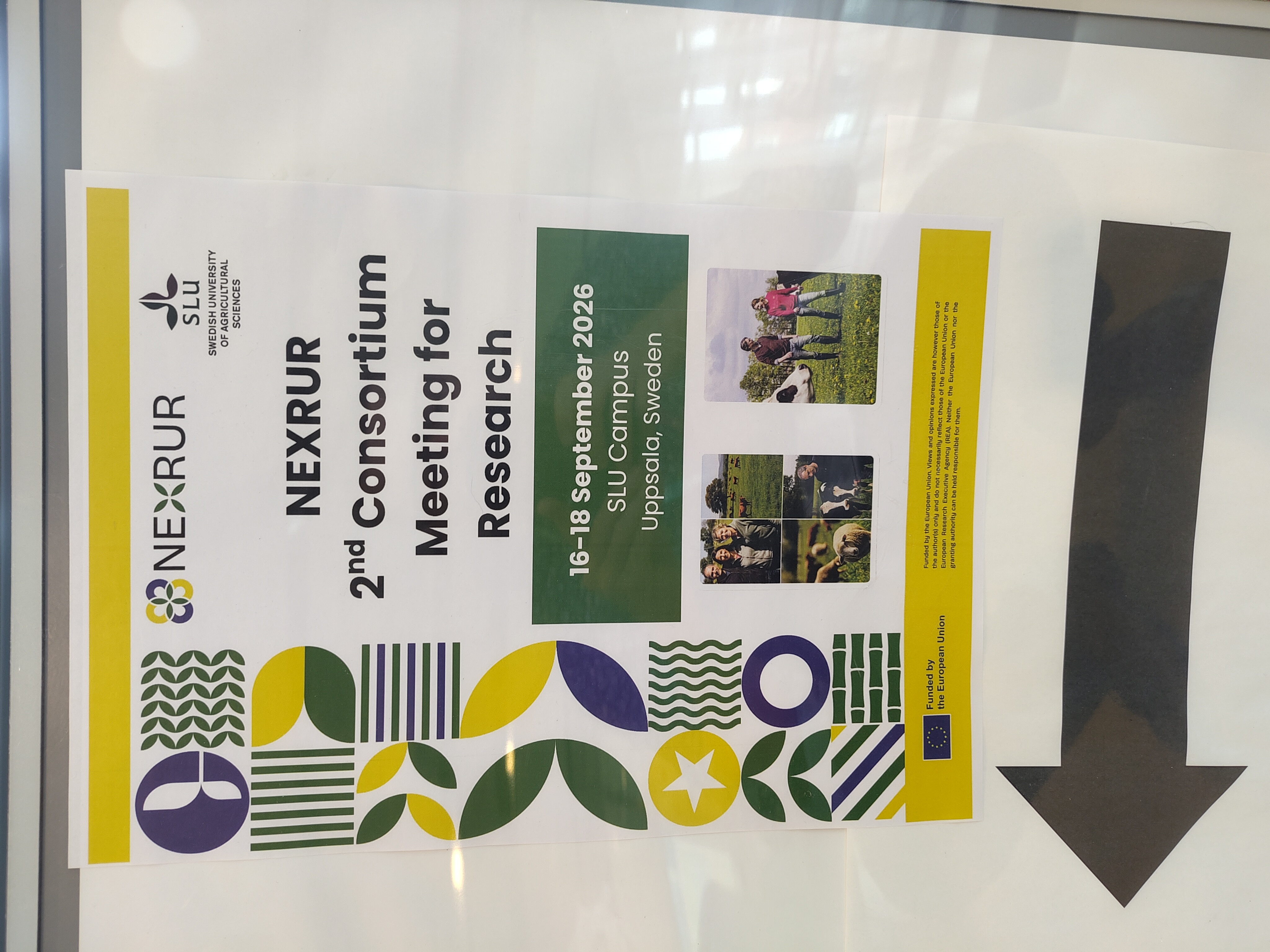
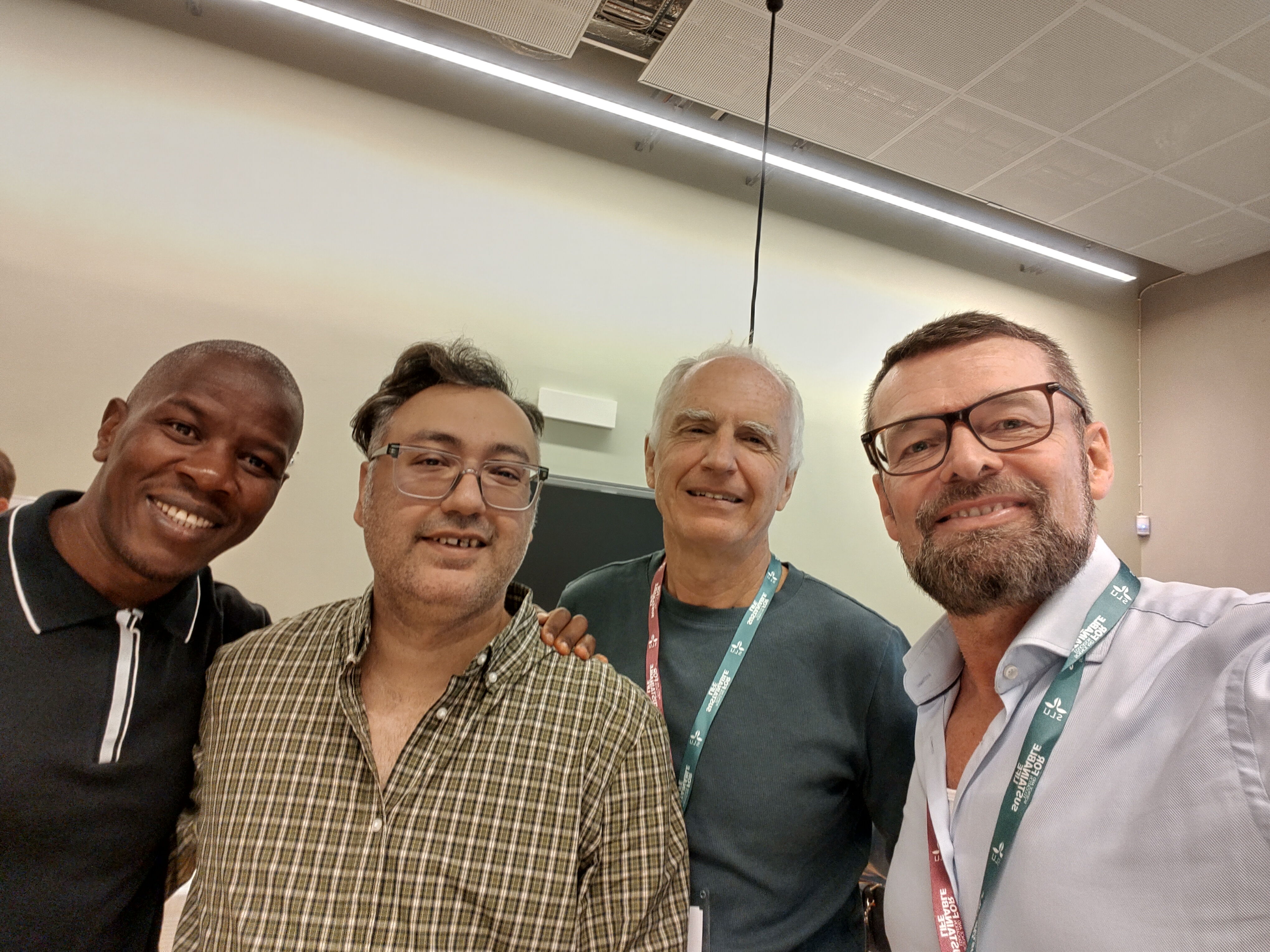
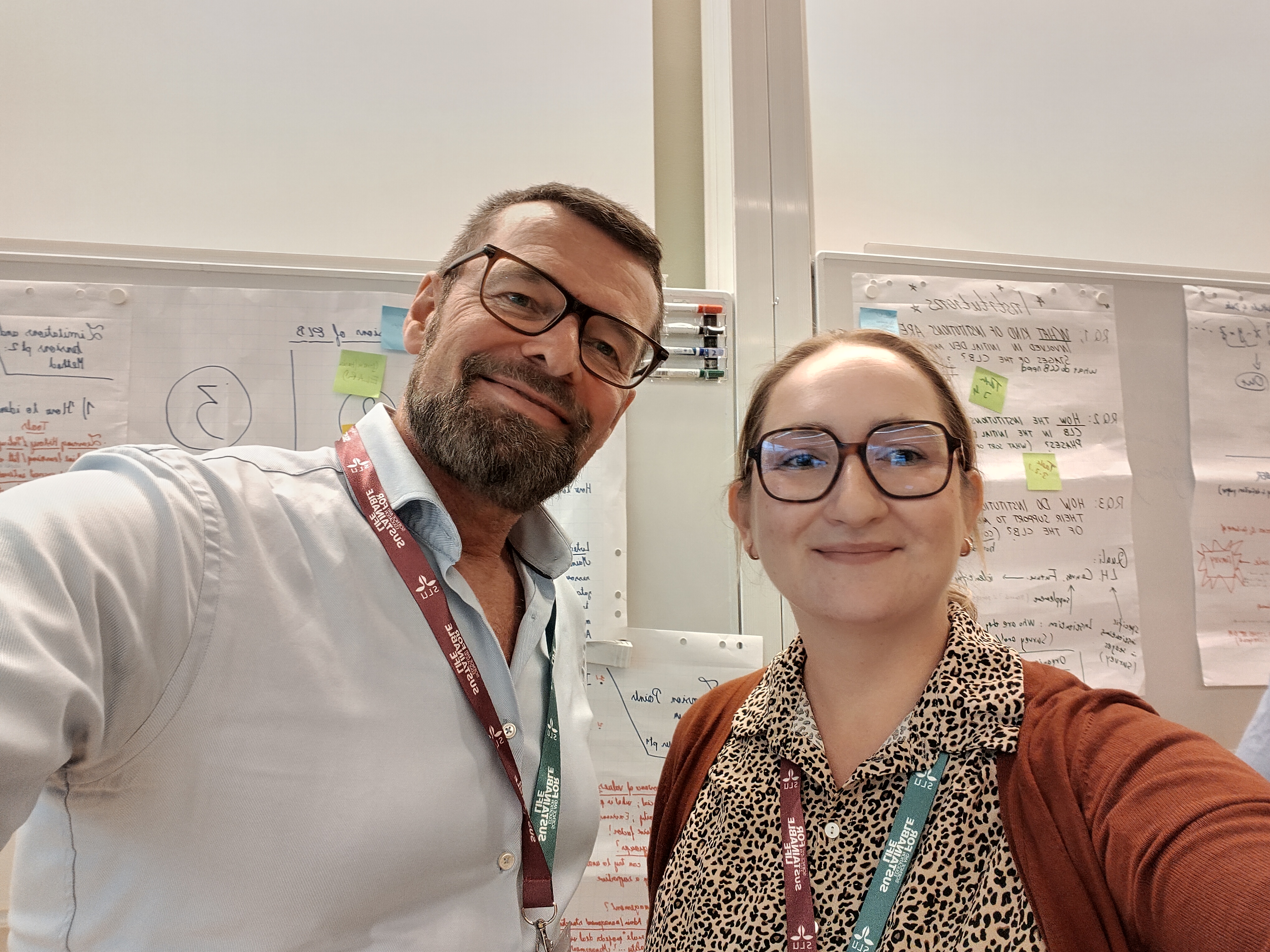
From 16 to 20 September 2026, the second consortium meeting of the EU project NEXRUR (Next Generation Sustainable Business Models and Monitoring for Rural Resilience and Innovation) took place in Uppsala, Sweden. Representatives from the European and Chinese project partners gathered at the Swedish University of Agricultural Sciences (SLU) to further develop the joint research agenda and to agree on the next steps in the project. On behalf of the BAB, Oliver Tamme and Georg Wiesinger took part.
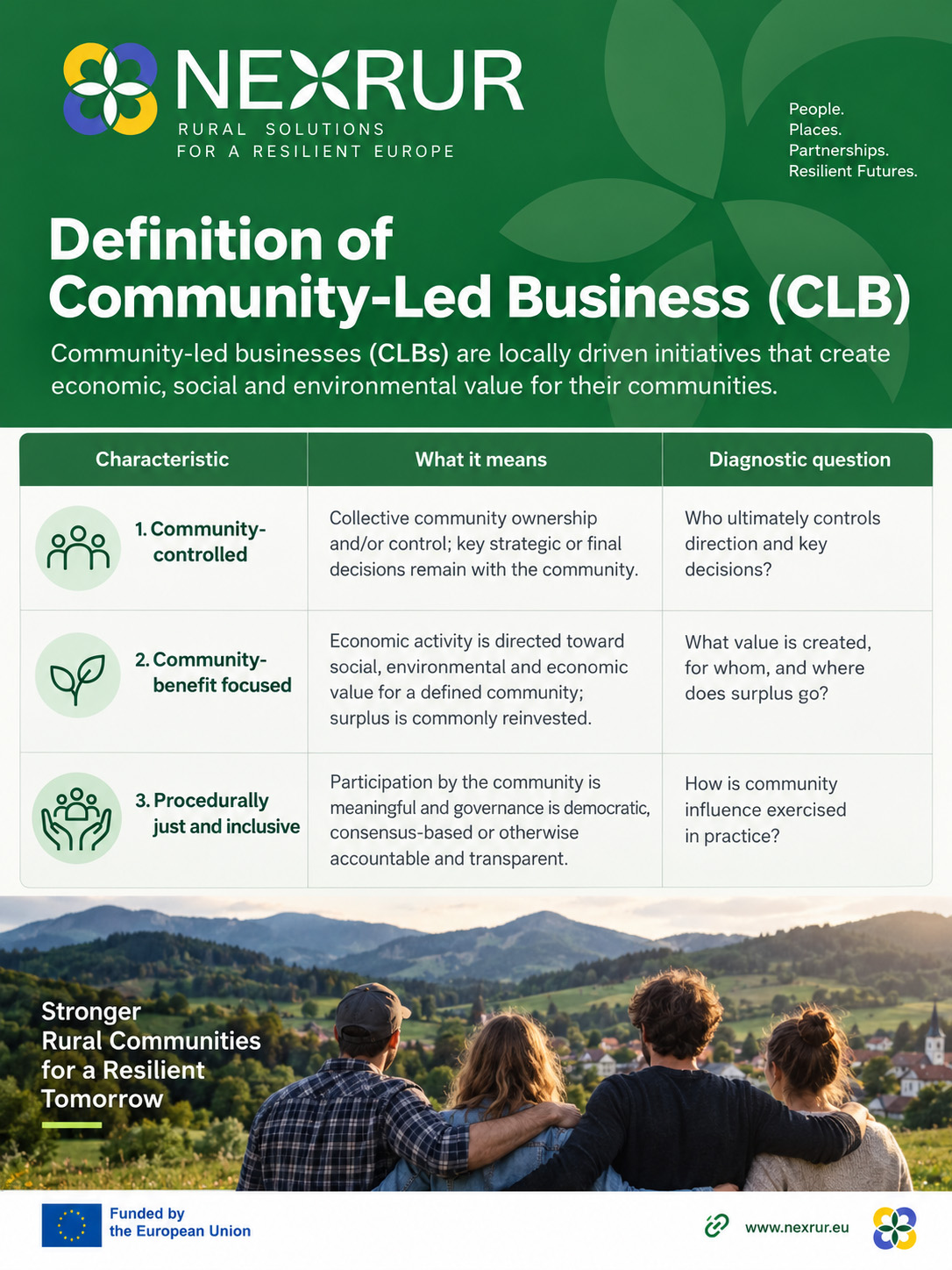
A key focus of the first two days was the further refinement of the project's research questions and methodological approaches. In several world café sessions, the project partners discussed thematic priorities, suitable research data and data collection methods, as well as the expected outcomes. This also involved aligning the research objectives with the project's timeline and available resources. Issues of local and community-led initiative ('community-ledness') and the relevance of the research findings for policy frameworks formed further cross-cutting themes.
On the second day, alongside further work on the research agenda, the next steps in the individual work packages were at the centre. This also included the engagement of stakeholders in the participating countries. The national stakeholder activities are intended to help incorporate experiences and perspectives from diverse rural regions into the project and to strengthen the exchange between research and practice.
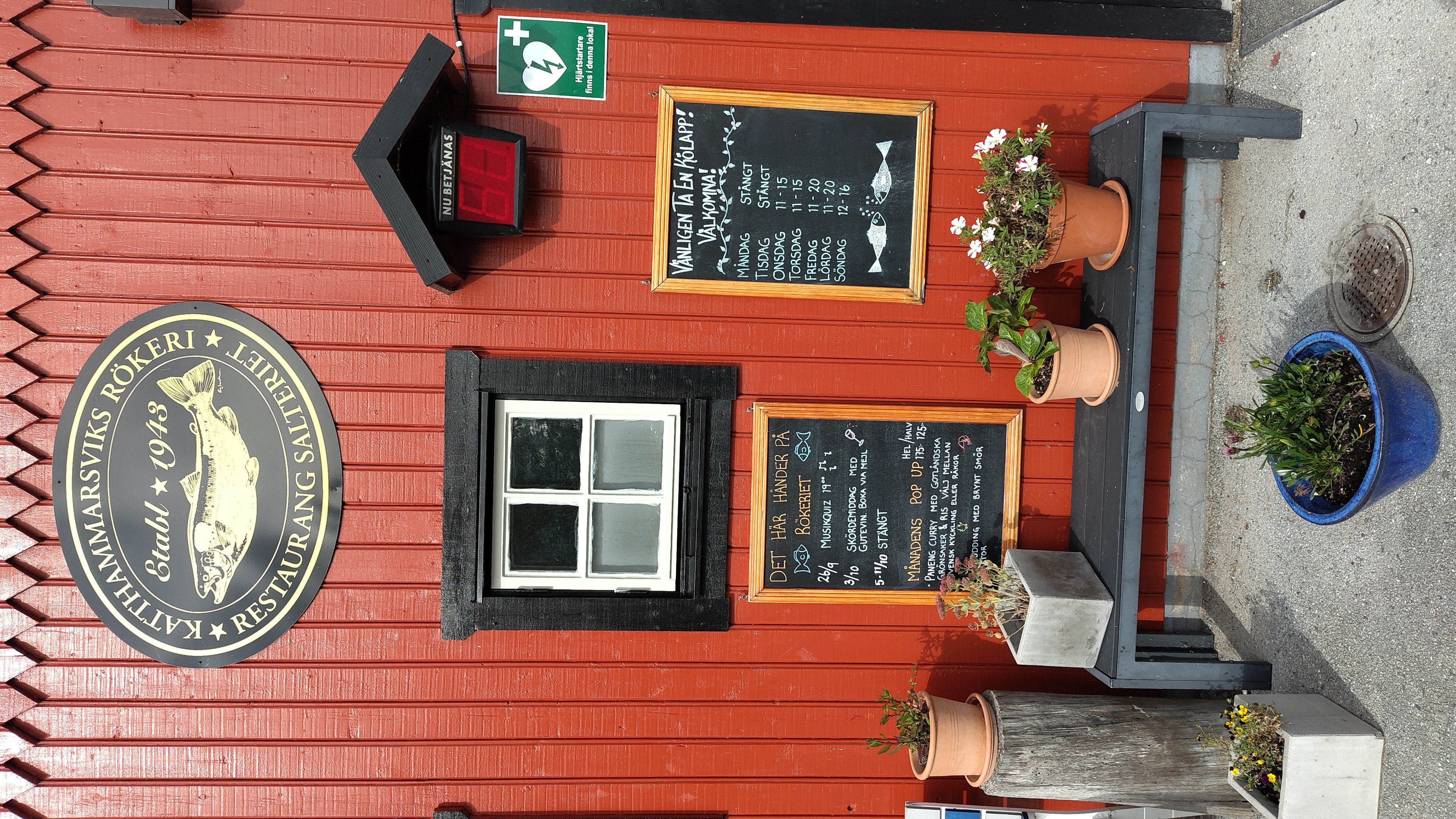
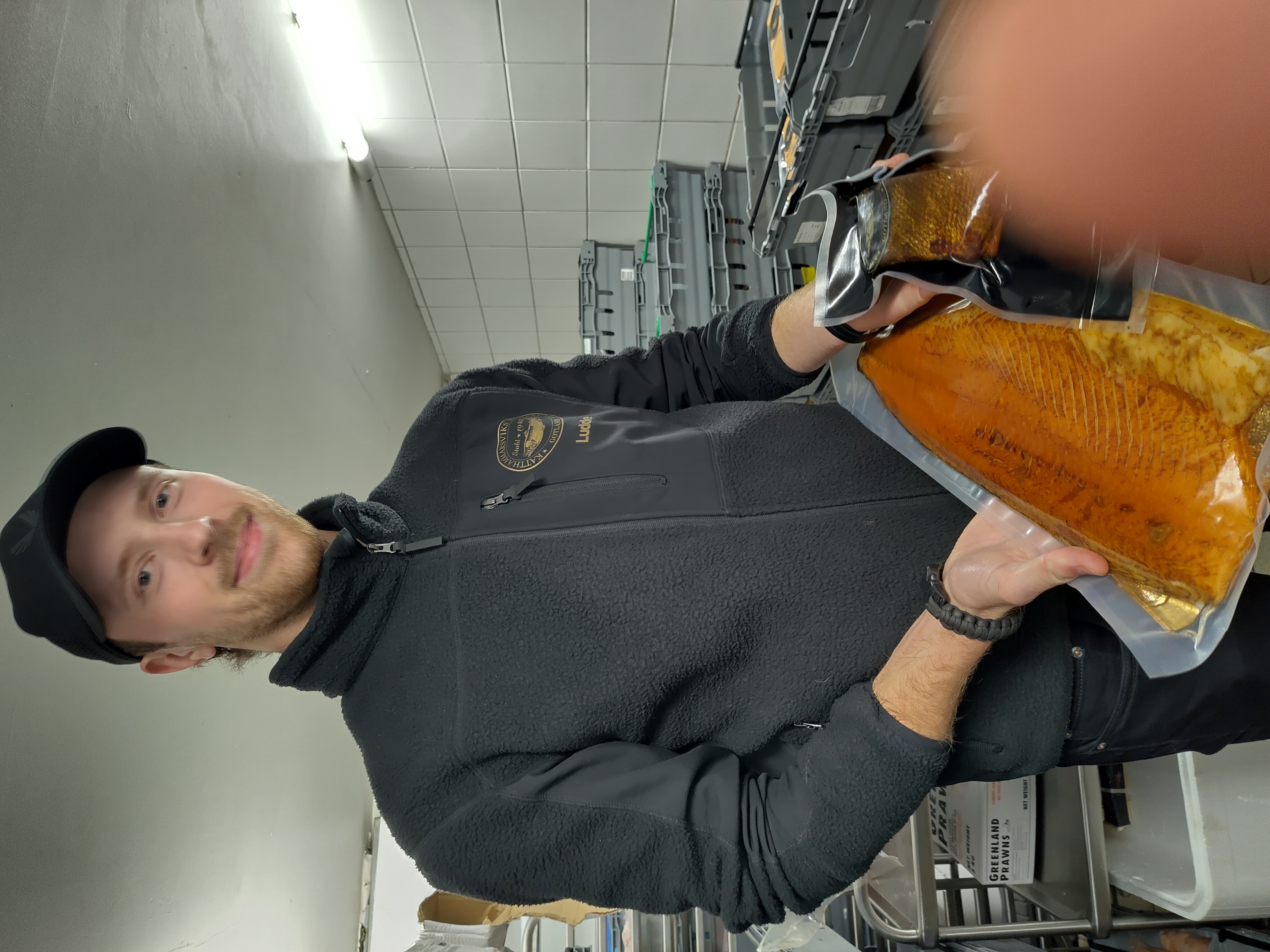
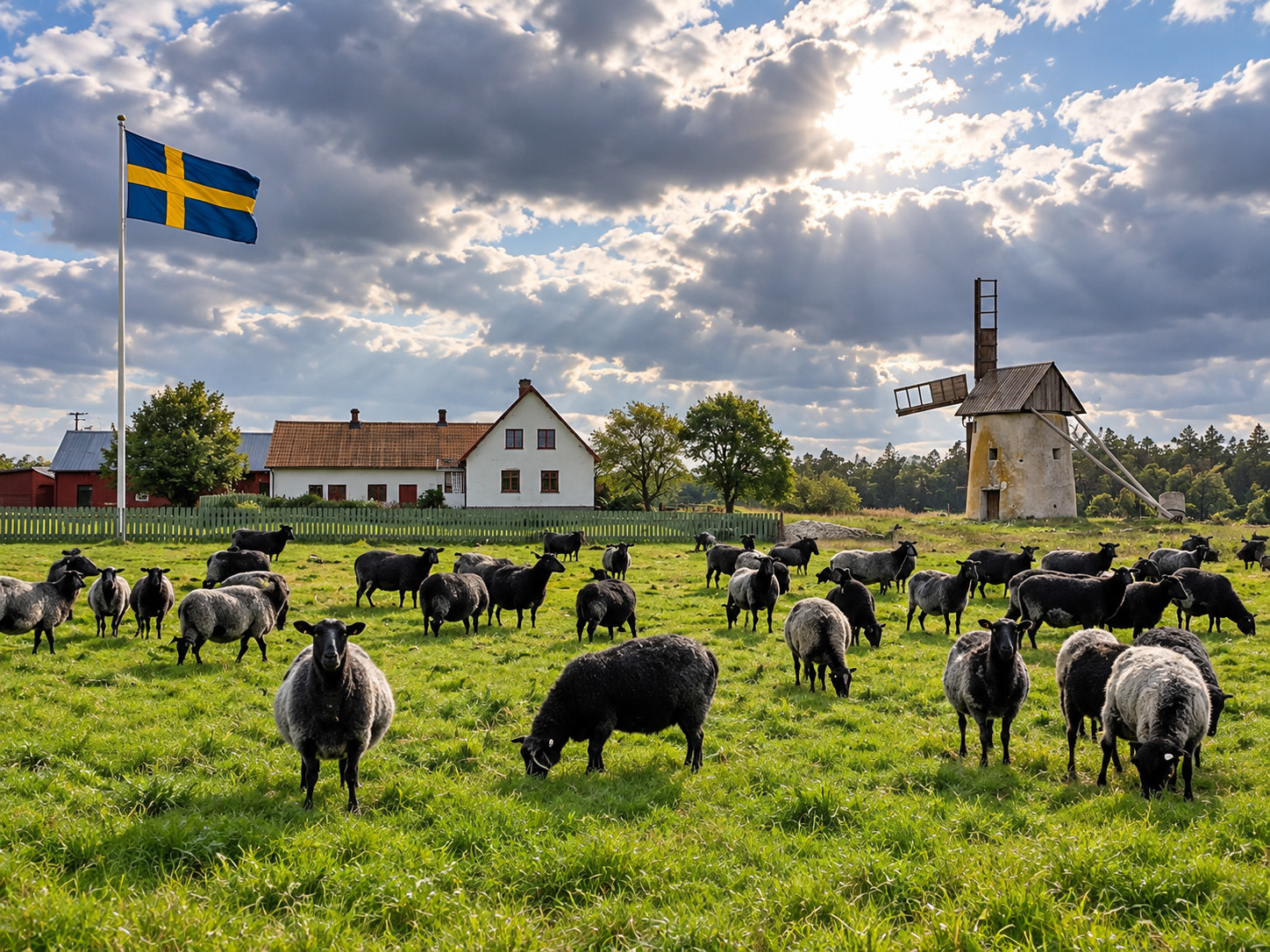
The working sessions in Uppsala were followed by a two-day excursion to Gotland. There, the project partners gained insights into concrete examples of community-driven rural development. Topics covered included local development initiatives, community-organised water and wastewater systems, food tourism, agrivoltaics, and local approaches to crisis preparedness. The collaboration between civil society, businesses, and the public sector in the area of regional food strategies also featured.
Particular attention was given to the local development initiative Nygarn in the east of Gotland. Nygarn is a development enterprise driven by the local population, which initiates and implements a range of projects to strengthen the region. Its activities range from local infrastructure and services to community-based solutions in the areas of water and wastewater supply as well as energy. This example illustrates how local actors can use entrepreneurial organisational forms to improve quality of life and economic development opportunities in a sparsely populated region.
At the same time, this approach raises fundamental questions for rural development. Especially in the case of essential public services, investment costs in sparsely populated areas are often high in relation to the number of users. Local initiatives can open up new organisational and financing possibilities in this regard. However, it must also be discussed where the role of community-driven initiatives ends and the responsibility of the public sector begins. For NEXRUR, therefore, it is not only of interest which local business models work, but also under which institutional, financial, and societal conditions such models are sustainable in the long term and what their relationship to public services is.
The meeting highlighted the central importance of linking scientific work with concrete experiences from rural regions for NEXRUR. The project examines innovative business and organisational models and their potential contribution to the economic and social resilience of rural areas.
Fotos: Oliver Tamme und Agnieszka Jetha


